Description
Amber is one of the most unique gemstones in the world because it is not a mineral crystal but fossilized tree resin that formed millions of years ago. This natural organic gemstone has fascinated humans since ancient times due to its warm golden color, light weight, and historical connection to prehistoric life. Amber has been used in jewelry, spiritual practices, and healing traditions for thousands of years, making it one of the oldest known gemstones used by humans.
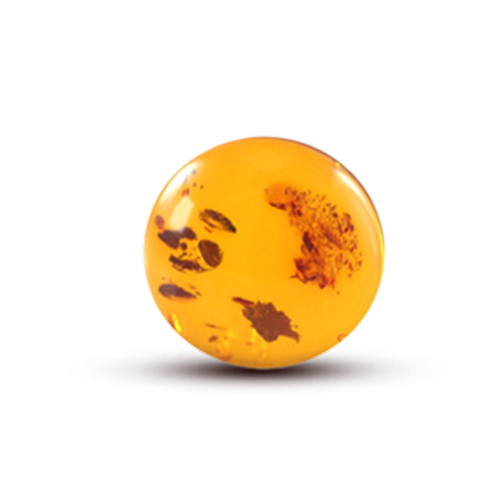
Unlike most gemstones that form through geological mineral processes, Amber originates from sticky resin secreted by ancient trees, primarily prehistoric pine forests. Over millions of years, this resin hardened and underwent chemical transformation due to heat, pressure, and time, eventually becoming the gemstone we know today. Because of this natural process, some amber pieces contain preserved insects, plants, or other organic materials trapped inside, providing scientists with valuable insights into ancient ecosystems.
Formation and Physical Properties
Amber typically formed between 30 and 90 million years ago, making it a gemstone that literally carries a piece of Earth’s ancient history. Most amber comes from the resin of extinct conifer trees, although other plant species may also produce similar resins.
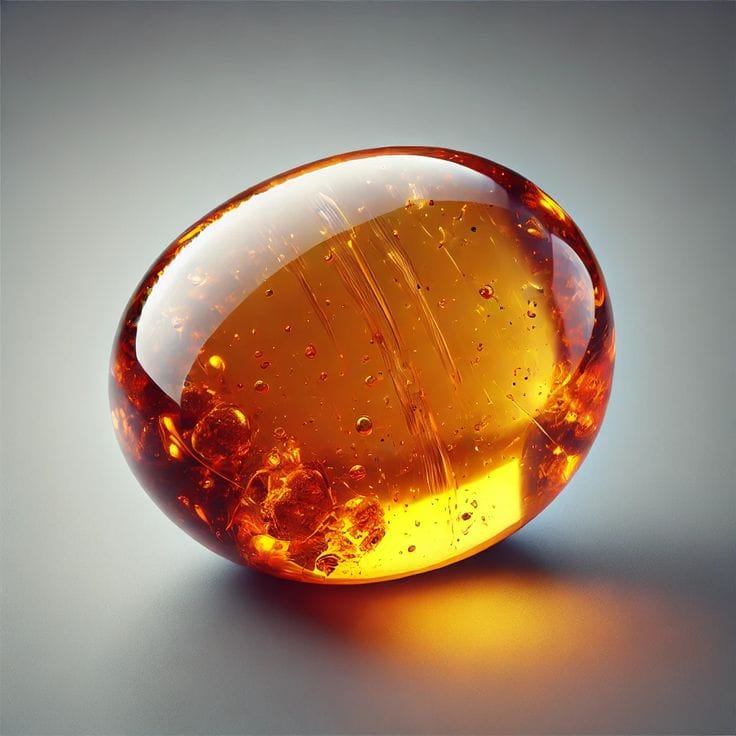
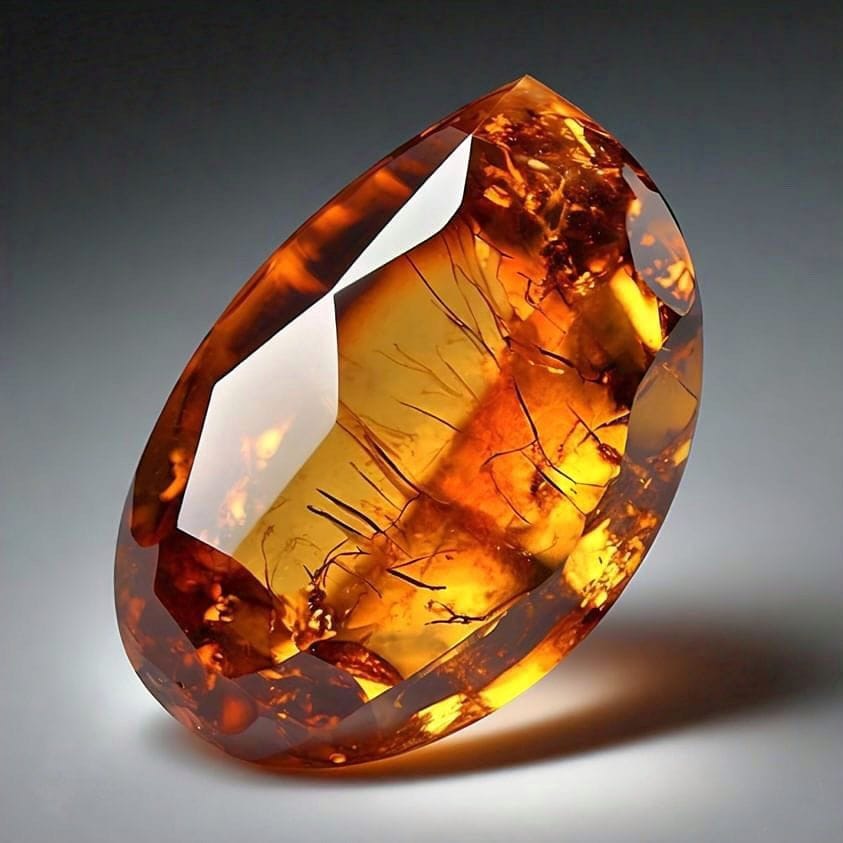
The gemstone is relatively soft compared to traditional minerals, ranking about 2–2.5 on the Mohs hardness scale. Because of its softness, amber is usually polished rather than faceted, giving it a smooth, glowing appearance that enhances its natural beauty.
Amber is most commonly found in colors such as:
Honey orange
Reddish brown
Cream or milky white
Rare varieties may also appear in green, blue, or black shades, which are highly prized by collectors.
Major amber deposits are found in regions like Poland, Lithuania, Russia, Myanmar, the Dominican Republic, and Mexico, with Baltic amber being one of the most famous and widely traded varieties.
Historical and Cultural Significance
Amber has been admired by humans for thousands of years. Archaeological discoveries show that amber jewelry and decorative objects existed as early as the Neolithic period, demonstrating its long-standing cultural importance.
Ancient civilizations believed amber carried mystical and protective properties. The ancient Greeks referred to amber as “electron,” meaning “sun,” because of its warm glowing appearance. In many cultures, amber was believed to be solidified sunlight or tears of the sun.
Throughout history, amber was used not only in jewelry but also in perfumes, incense, and decorative carvings. Its natural fragrance when heated made it valuable in traditional rituals and aromatic practices.
Spiritual Meaning and Symbolism
Amber is widely associated with warmth, positivity, protection, and vitality. Because it originated from ancient trees, many spiritual traditions consider it a gemstone connected with nature’s life force and Earth’s ancient energy.
The stone is often linked to the solar plexus chakra and sacral chakra, energy centers associated with creativity, confidence, and emotional balance. Amber is believed to help balance emotions, encourage optimism, and promote inner peace.
Many people use amber as a grounding stone that helps stabilize energy and protect against negativity.
Healing Properties and Benefits
Although scientific evidence for gemstone healing is limited, amber is widely used in traditional healing practices for its soothing and energizing qualities.
Emotional Healing
Amber is believed to absorb negative energy and replace it with positive vibrations. It can help reduce stress, anxiety, and emotional tension while promoting emotional balance and happiness.
Mental Clarity and Confidence
The warm energy of amber is thought to stimulate mental clarity, creativity, and decision-making ability. Many people use it to improve focus and confidence.
Physical Wellness
Some traditional healing systems suggest amber may support the immune system, reduce inflammation, and improve circulation. It has also been historically used in teething necklaces to soothe discomfort in infants.
Protection and Energy Cleansing
Amber is believed to create a protective energy shield that helps block negative influences and promote a calm environment.
Uses of Amber
Jewelry
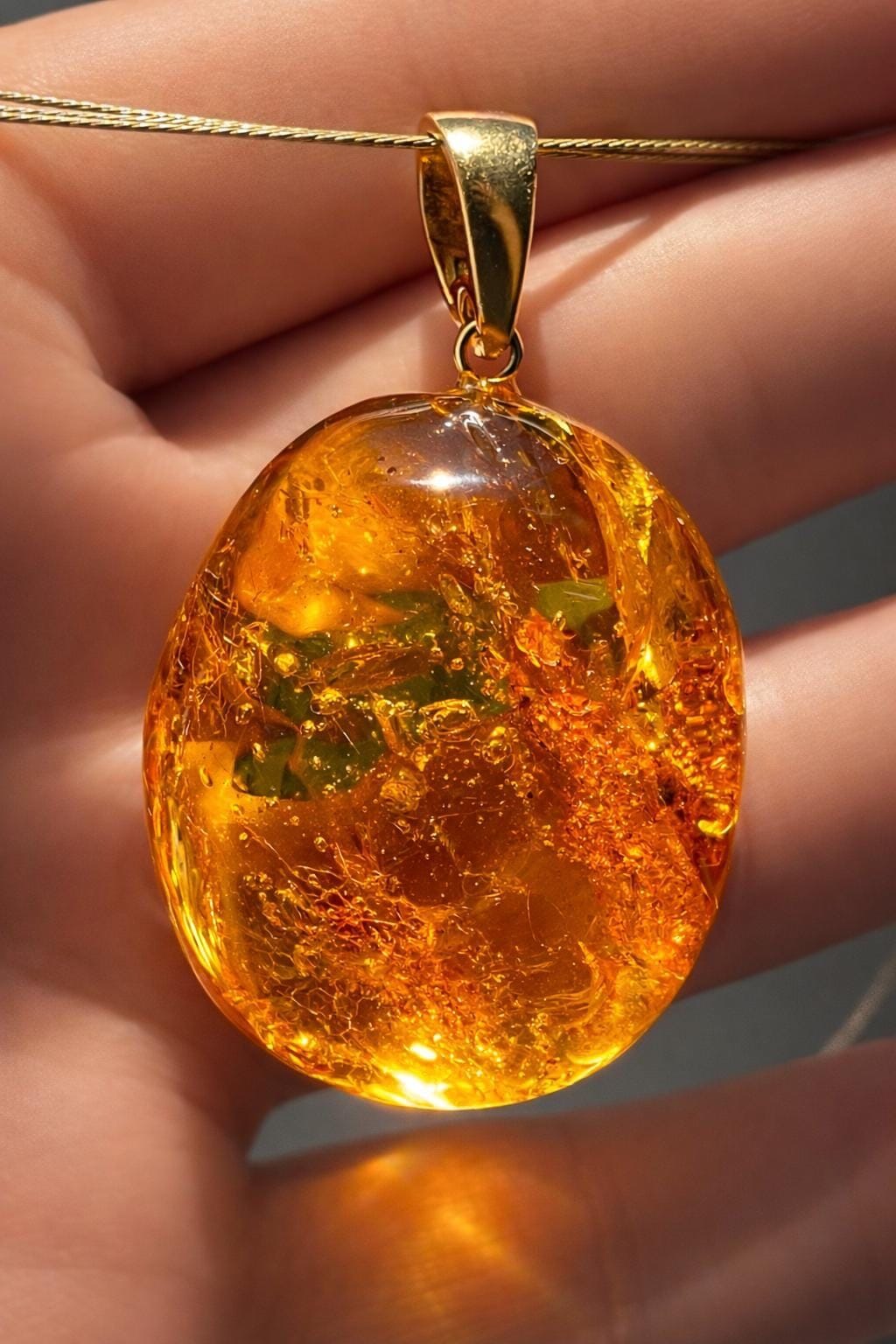
Amber is widely used in necklaces, bracelets, rings, and pendants. Its lightweight nature and warm glow make it comfortable and stylish for everyday wear.
Spiritual Practices
Many people use amber during meditation, energy healing, or chakra balancing to promote positivity and emotional harmony.
Decorative and Collectible Items
Amber specimens containing preserved insects or plants are highly valued by collectors and scientists because they provide a window into prehistoric life.
Reviews
There are no reviews yet.